TrustNLP: Second Workshop on Trustworthy Natural Language Processing

Colocated with the Annual Conference of the North American Chapter of the Association for Computational Linguistics

About

Recent progress in Artificial Intelligence (AI) and Natural Language Processing (NLP) has greatly increased their presence in everyday consumer products in the last decade. Common examples include virtual assistants, recommendation systems, and personal healthcare management systems, among others. Advancements in these fields have historically been driven by the goal of improving model performance as measured by accuracy, but recently the NLP research community has started incorporating additional constraints to make sure models are fair and privacy-preserving. However, these constraints are not often considered together, which is important since there are critical questions at the intersection of these constraints such as the tension between simultaneously meeting privacy objectives and fairness objectives, which requires knowledge about the demographics a user belongs to. In this workshop, we aim to bring together these distinct yet closely related topics.

Schedule

Name Time
Opening remarks 8:30-8:40
Keynote 1: Subho Majmundar 8:40-9:30
Oral presentation session 1: 9:30 -10:30
The Cycle of Trust and Responsibility in Outsourced AI 9:30-9:42
Explaining Neural NLP Models for the Joint Analysis of Open- and Closed-Ended Survey Answers 9:42-9:54
The Irrationality of Neural Rationale Models 9:54 - 10:06
Challenges in Applying Explainability Methods to Improve the Fairness of NLP Models 10:06 - 10:18
ER-Test: Evaluating Explanation Regularization Methods for NLP Models 10:18-10:30
Panel Session on Building Trustworthy NLP Systems in Production 10:30-11:15
Keynote 2: Diyi Yang 11:30-12:20
Lunch 12:20 - 13:30
Keynote 3: Fei Wang 13:30-14:20
Oral presentations 2: 14:30-15:45
An Encoder Attribution Analysis for Dense Passage Retriever in Open-Domain Question Answering 14:30-14:42
Attributing Fair Decisions with Attention Interventions 14:42-14:54
Does Moral Code Have a Moral Code? Probing Delphi’s Moral Philosophy 14:54-15:06
An Empirical study on Pseudo-log-likelihood Bias Measures for Masked Language Models using Paraphrased Sentences 15:06-15:18
Non-archival paper 15:18-15:30
Non-archival paper 15:30-15:42
Poster sessions 16:00-16:45
Closing session 16:45-17:00

Call for papers

Overview

We invite papers which focus on developing models that are “explainable, fair, privacy-preserving, causal, and robust” (Trustworthy ML Initiative). Topics of interest include (but are not limited to):

  • Differential Privacy
  • Fairness and Bias: Evaluation and Treatments
  • Model Explainability and Interpretability
  • Accountability
  • Ethics
  • Industry applications of Trustworthy NLP
  • Causal Inference
  • Secure and trustworthy data generation

Important Dates

  • Apr 15, 2022: Workshop Paper Due Date

  • May 6, 2022: Notification of Acceptance

  • May 20, 2022: Camera-ready papers due

  • July 14-15, 2022: Workshop

Submission Policy

All submissions will be double-blind peer reviewed (with author names and affiliations removed) by the program committee and judged by their relevance to the workshop themes.
Accepted and under-review papers are allowed to submit to the workshop. Submitted manuscripts must be 8 pages long for full papers, and 4 pages long for short papers. Both full and short papers can have unlimited pages for references and appendices. Please note that at least one of the authors of each accepted paper must register for the workshop and present the paper. Template files can be found here: https://aclrollingreview.org/cfp#long-papers.

We also ask authors to include a broader impact and ethical concerns statement, following guidelines from the main conference.

Please submit to Softconf via this link

Non-Archival option

NAACL workshops are traditionally archival. To allow dual submission of work, we are also including a non-archival track. If accepted, these submissions will still participate and present their work in the workshop. A reference to the paper will be hosted on the workshop website (if desired), but will not be included in the official proceedings. Please submit through softconf but indicate that this is a cross submission at the bottom of the submission form. You can also skip this step and inform us of your non-archival preference after the reviews.

Anonymity Period

We will follow NAACL’s anonymity policy, and require full anonymity until time of acceptance (May 6, 2022).

People

Speakers

Organizers

Program committee

Speakers


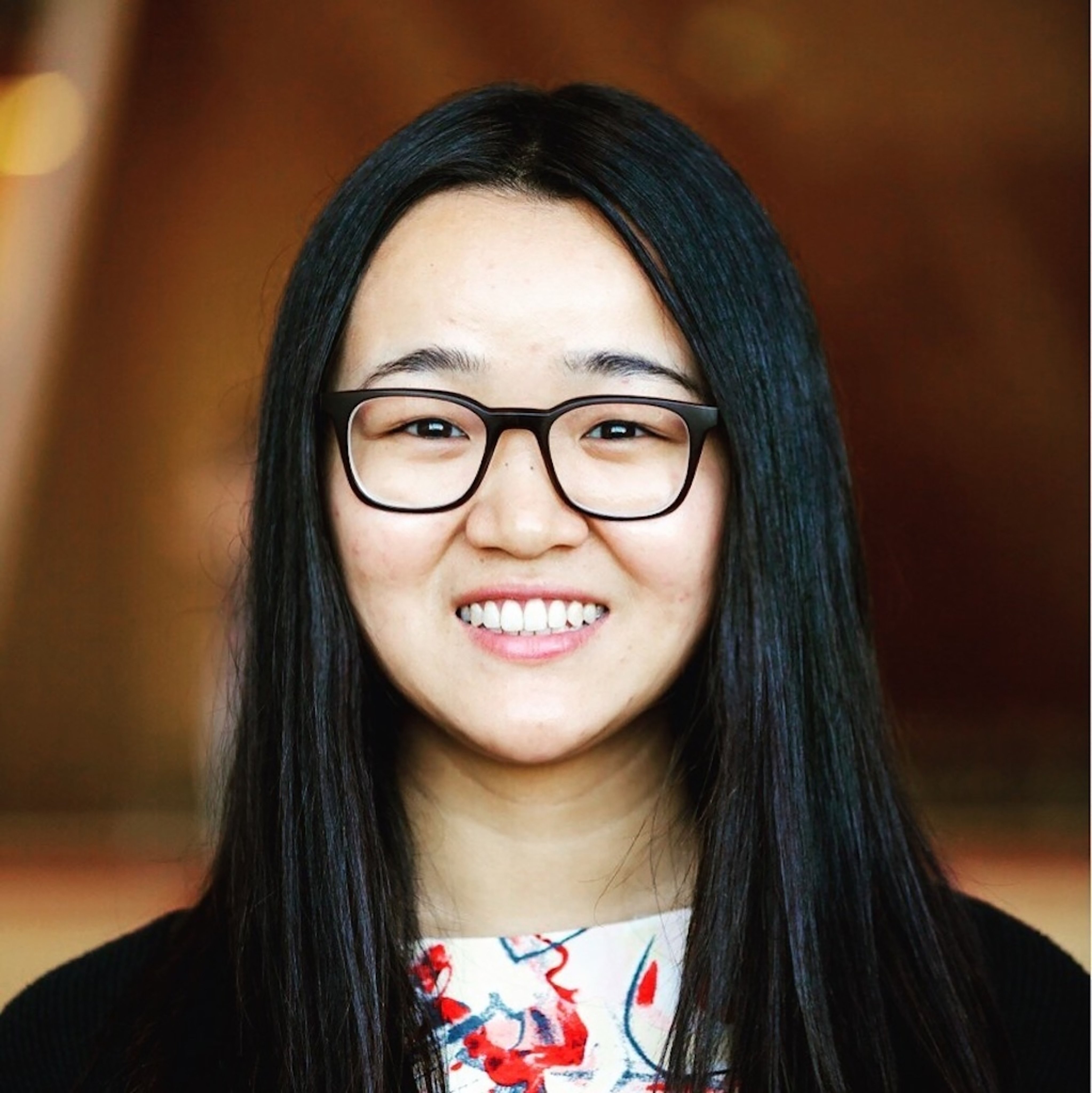
Diyi Yang, Assistant Professor, School of Interactive Computing, Georgia Tech

Diyi Yang is an assistant professor in the School of Interactive Computing at Georgia Tech. Diyi has broad interests in NLP and Computational Social Science, including dialogue summarization, limited data learning, hate speech and bias, as well as responsible NLP for mental health. Her work has received multiple awards (or nominations) at EMNLP, ICWSM, SIGCHI, and CSCW. She is a Microsoft Research Faculty Fellow, a Forbes 30 under 30 in Science, an IEEE “AI 10 to Watch”, a recipient of the Intel Rising Star Faculty Award, the Samsung AI Researcher of the Year and the NSF CAREER Award.
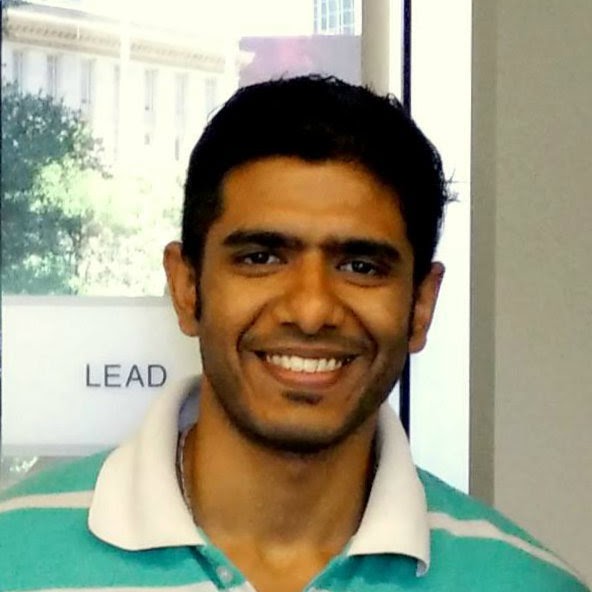

Subho Majumdar, Senior Scientist, Splunk

Subho is a senior scientist in the Applied ML Research team of Splunk. Before recently joining Splunk, he spent 3 years in AT&T Data Science and AI Research (erstwhile part of AT&T Bell Labs). Throughout his career, he has worked on data-driven solutions that pushed the boundaries for a variety of challenging and cross-product problems. His current focus is on trustworthy machine learning in the wild: not only proposing novel solutions to technical problems that ensure qualities such as fairness, transparency, privacy, and robustness, but also implementing them in real-world use cases.
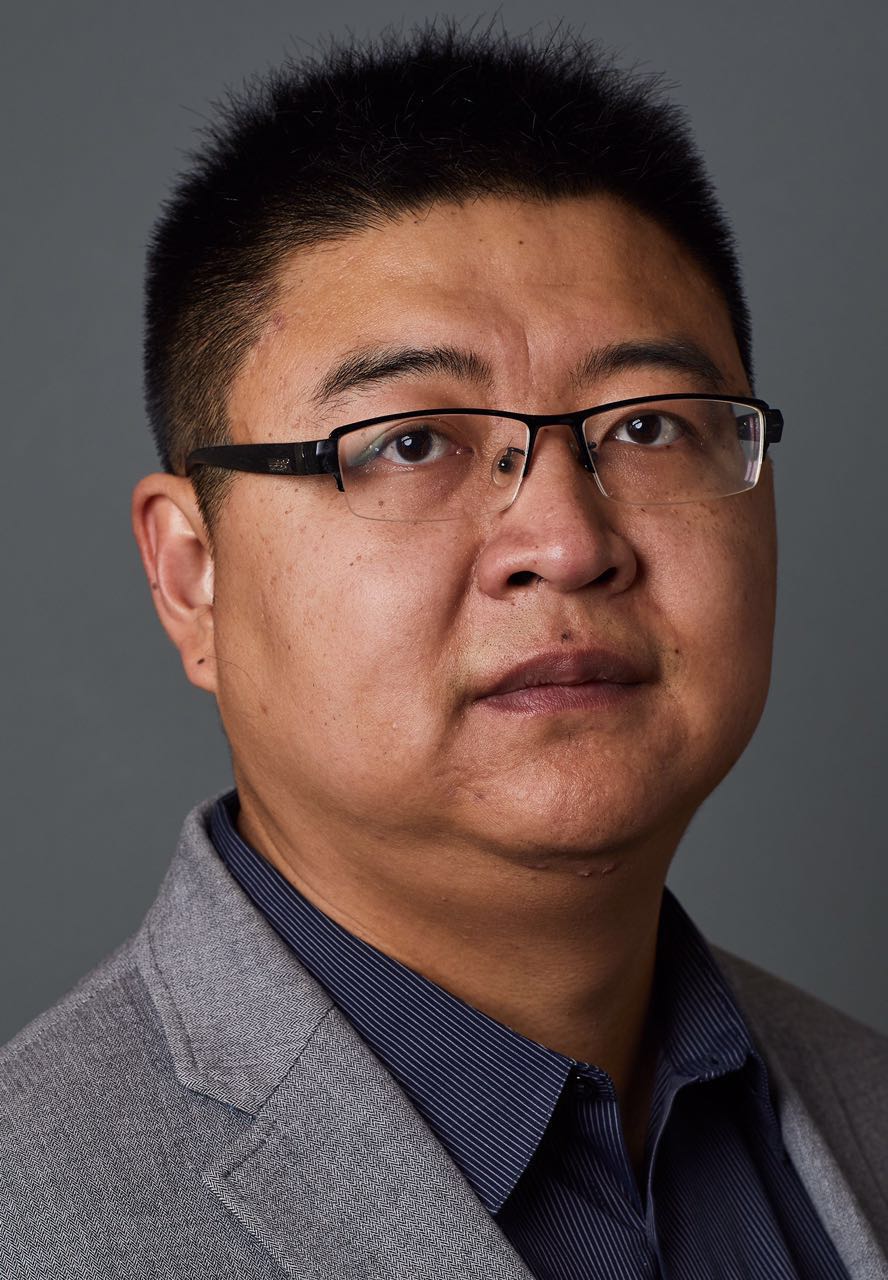

Fei Wang, Associate Professor in Division of Health Informatics, Cornell University

Fei Wang is an Associate Professor in Division of Health Informatics, Department of Population Health Sciences, Weill Cornell Medicine, Cornell University. His major research interest is data mining, machine learning and their applications in health data science. He has published more than 250 papers on the top venues of related areas such as ICML, KDD, NIPS, CVPR, AAAI, IJCAI, JAMA Internal Medicine, Annals of Internal Medicine, Lancet Digital Health, etc. His papers have received over 19,000 citations so far with an H-index 67. His (or his students’) papers have won 8 best paper (or nomination) awards at top international conferences on data mining and medical informatics. His team won the championship of the NIPS/Kaggle Challenge on Classification of Clinically Actionable Genetic Mutations in 2017 and Parkinson's Progression Markers' Initiative data challenge organized by Michael J. Fox Foundation in 2016. Dr. Wang is the recipient of the NSF CAREER Award in 2018, as well as the inaugural research leadership award in IEEE International Conference on Health Informatics (ICHI) 2019. Dr. Wang’s Research has been supported by NSF, NIH, ONR, PCORI, MJFF, AHA, Amazon, etc. Dr. Wang is the past chair of the Knowledge Discovery and Data Mining working group in American Medical Informatics Association (AMIA). Dr. Wang is a fellow of AMIA and a Distinguished Member of ACM.

For questions, please contact us at trustnlpworkshoporganizers@gmail.com